Pregnancy is a lot, both emotionally and physically. For some, there’s excitement and joy. For others, there’s unease and worry. Many will experience a combination of these feelings. When those symptoms are overwhelming and hard to manage, some expectant mothers may wonder whether cannabis is natural, safe, or better than medication. It makes sense to have questions. But when it comes to pregnancy, natural does not always mean safe.
Health experts advise against cannabis use during pregnancy and breastfeeding. The reason is straightforward: anything you eat, drink, or smoke can reach the baby. Cannabis exposes a developing baby to chemicals that can affect growth, birth outcomes, and long-term health. Marijuana use during pregnancy is linked to lower birth weight, abnormal neurological development, and later challenges with attention, memory, problem-solving, and behavior.
How cannabis reaches the baby
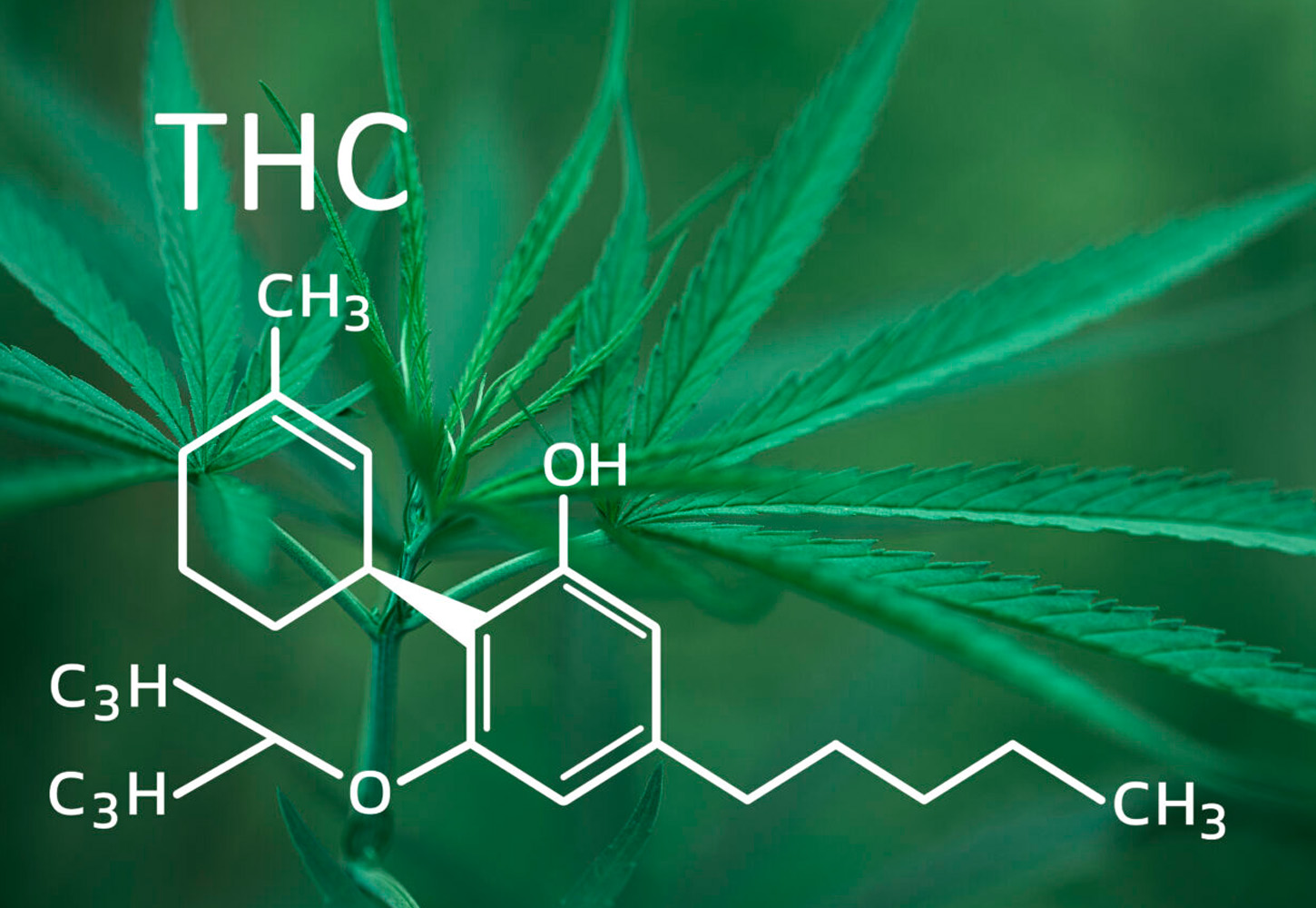
Cannabis contains THC, the chemical responsible for the “high.” During pregnancy, THC passes from the mother’s bloodstream through the placenta to the developing baby. Marijuana does not have to be smoked to carry risk – THC, in any form, is still THC. All forms pose a possible risk to the baby, including:
- Smoking cannabis
- Vaping cannabis
- Taking edibles
- Using oils, tinctures, or concentrates
- Using CBD products
Possible risks of cannabis use during pregnancy
Not every pregnancy exposed to cannabis will have a poor outcome. But studies have found links between cannabis use during pregnancy and several serious risks:
- Fetal growth restriction, meaning the baby grows too slowly
- Low birth weight, which can increase the need for special medical care after delivery
- Preterm birth, or birth before 37 weeks of pregnancy
- Stillbirth
- Growth and developmental concerns after birth
Not every pregnancy exposed to cannabis will have a poor outcome. But studies have found links between cannabis use during pregnancy and several serious risks:
- Fetal growth restriction, meaning the baby grows too slowly
- Low birth weight, which can increase the need for special medical care after delivery
- Preterm birth, or birth before 37 weeks of pregnancy
- Stillbirth
- Growth and developmental concerns after birth
Low birth weight and preterm birth can be hard for families – babies who are born too small or too early may need extra medical care after birth. The baby may have trouble with breathing, feeding, gaining weight, fighting infection, and staying warm.
Some babies may need to stay in the NICU (neonatal intensive care unit) if they are born too small or with health complications. This can be frightening for families. It can also create added stress during a time when parents are trying to recover, bond, and adjust to life with a newborn.
Why fetal development is a concern
A baby’s brain and body develop quickly throughout pregnancy. The brain, nervous system, lungs, heart, and other organs are all growing, and the use of cannabis during pregnancy may interfere with that development.
Public health agencies warn that prenatal cannabis exposure may affect how a child’s brain develops and functions later in life. Marijuana use during pregnancy may contribute to a child’s later issues with attention, memory, problem-solving, and behavior.
Smoking cannabis adds another layer of risk. Cannabis smoke contains many of the same toxic and cancer-causing chemicals found in tobacco smoke. That means smoking cannabis can expose both mother and baby to smoke-related toxins in addition to THC.
What You May Have Heard Online
Social media is full of wellness and pregnancy advice. Some of it sounds caring and confident. But confident does not always mean correct.
- “Cannabis is natural, so it must be safe.”
Natural things can still affect pregnancy. Cannabis contains THC, which can pass from your body to your baby during pregnancy. That means your baby is exposed, too.
- “Edibles are safer because there is no smoke.”
Edibles do not create smoke, but they can still contain THC. Oils, gummies, drinks, tinctures, and other products can still expose your baby to cannabis-related chemicals. The FDA advises against the use of marijuana, THC, and CBD during pregnancy and breastfeeding.
- “CBD is not the same as marijuana, so it is fine.”
CBD products are not proven safe during pregnancy. Some may contain THC and other harmful ingredients. The safest choice is to avoid CBD while pregnant or breastfeeding.
- “My friend used cannabis, and her baby was fine.”
That may be true for her. But one story cannot tell us what is safe for every pregnancy. Some effects may not show up at birth. Learning, attention, or behavior concerns may show up later in childhood.
- “Doctors just do not like cannabis.”
This is not about judging cannabis use. It is about pregnancy. A baby’s brain and body are growing quickly, and there is enough concern that major health groups recommend avoiding cannabis while pregnant or breastfeeding.
Support, not judgment
Researchers are still learning about cannabis and pregnancy. Not every question has been answered. But we do know this: no amount of cannabis has been proven safe during pregnancy or breastfeeding. Because THC can reach the developing baby and is linked to possible risks to fetal development, birth outcomes, and long-term child health, the safest choice is to avoid cannabis while pregnant or breastfeeding.
Expectant mothers deserve support, not judgment. If you are using cannabis, you do not have to feel ashamed. And you do not have to stop on your own. Talk with someone you trust – an OB-GYN, midwife, nurse, doula, counselor, recovery coach, or community health worker. Ask them to help you find options that feel realistic for your life. They can help you make a plan that supports both you and your baby.
References
American College of Obstetricians and Gynecologists. (2025). Cannabis use during pregnancy and lactation: ACOG Clinical Consensus No. 10. Obstetrics & Gynecology, 146(4), 600–611. https://doi.org/10.1097/AOG.0000000000006053
Avalos, L. A., Oberman, N., Alexeeff, S. E., Croen, L. A., Davignon, M. N., Adams, S. R., Ansley, D., Chambers, C. D., Steuerle, K., & Young-Wolff, K. C. (2024). Early maternal prenatal cannabis use and child developmental delays. JAMA Network Open, 7(10), e2440295. https://doi.org/10.1001/jamanetworkopen.2024.40295
Baranger, D. A. A., Paul, S. E., Colbert, S. M. C., Karcher, N. R., Johnson, E. C., Hatoum, A. S., & Bogdan, R. (2022). Association of Mental Health Burden With Prenatal Cannabis Exposure From Childhood to Early Adolescence. JAMA Pediatrics, 176(12). https://doi.org/10.1001/jamapediatrics.2022.3191
Centers for Disease Control and Prevention. (2025, January 31). Cannabis and pregnancy. https://www.cdc.gov/cannabis/health-effects/pregnancy.html
Lo, J. O., Ayers, C. K., Yeddala, S., Shaw, B., Robalino, S., Ward, R., & Kansagara, D. (2025). Prenatal cannabis use and neonatal outcomes: A systematic review and meta-analysis. JAMA Pediatrics, 179(7), 738–746. https://doi.org/10.1001/jamapediatrics.2025.0689
National Institutes of Health. (2022, September 12). Prenatal cannabis exposure associated with mental disorders in children that persist into early adolescence. https://www.nih.gov/news-events/news-releases/prenatal-cannabis-exposure-associated-mental-disorders-children-persist-into-early-adolescence
Substance Abuse and Mental Health Services Administration. (2025, December 17). Marijuana and pregnancy. https://www.samhsa.gov/substance-use/learn/marijuana/pregnancy
U.S. Food and Drug Administration. (2019, October 16). What you should know about using cannabis, including CBD, when pregnant or breastfeeding. https://www.fda.gov/consumers/consumer-updates/what-you-should-know-about-using-cannabis-including-cbd-when-pregnant-or-breastfeeding