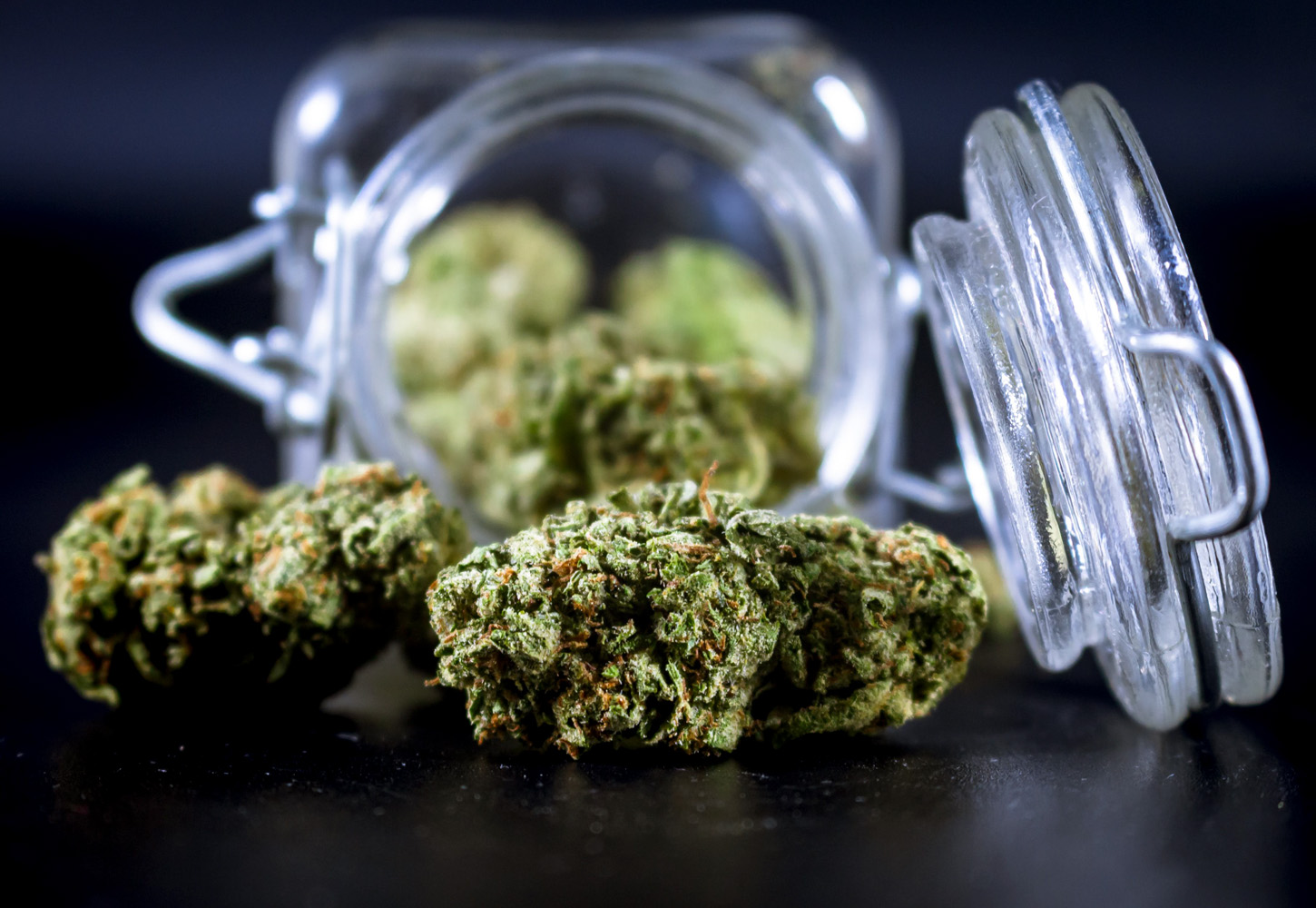
Cannabis looks a lot different than it used to. Gone are the days when using weed mostly meant smoking a joint. Today, you can find THC in colorful gummies, fruit-flavored vapes, chocolates, drinks, oils, and more.
With so many options, it’s easy to wonder: Is vaping safer than smoking? Are gummies okay because there’s no smoke? What about products labeled “natural” or “hemp-derived”?
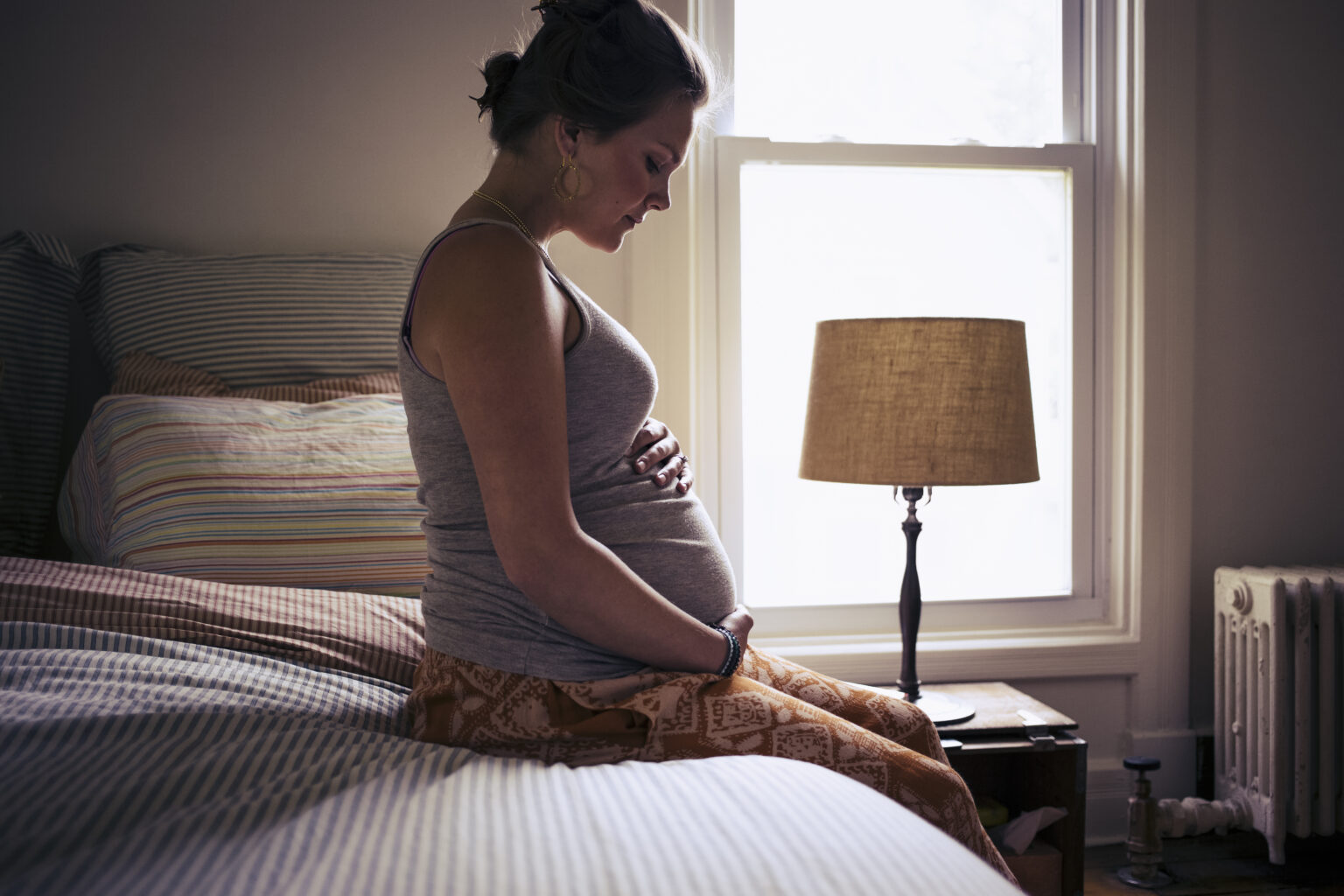
If you’re pregnant, thinking about getting pregnant, or breastfeeding, it’s important to know that THC can reach your baby, whether you smoke it, vape it, or eat it.
What Is THC?
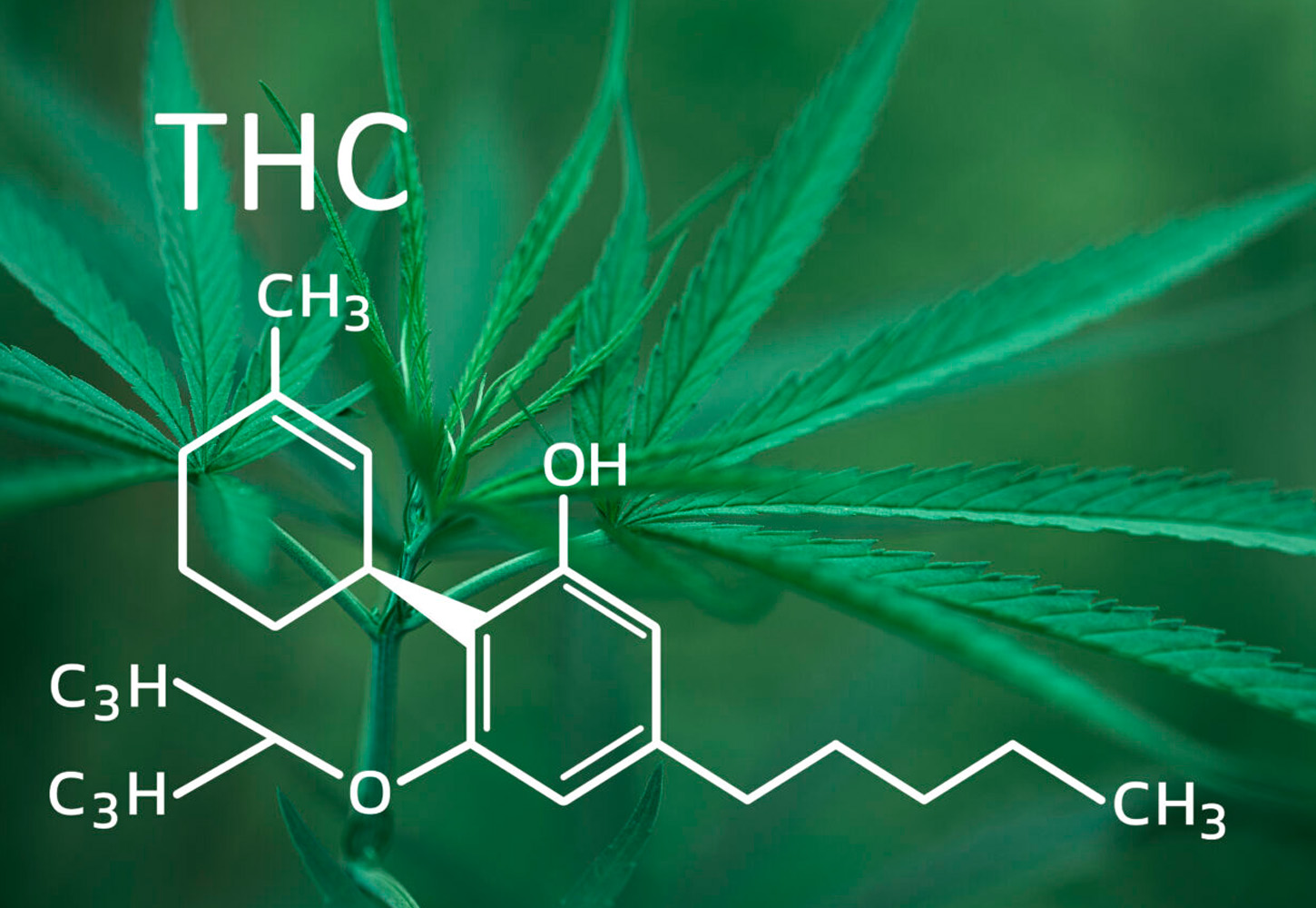
THC stands for tetrahydrocannabinol. It’s the main chemical in cannabis that makes you feel “high.” But THC does more than change how you feel. It also affects the brain and body.
During pregnancy, THC can cross the placenta, the organ that connects you and your developing baby. That means when THC enters your bloodstream, your baby is exposed to it, too.
This is important because your baby’s brain begins developing early in pregnancy and continues developing throughout pregnancy and after birth. THC can interact with the body’s natural systems involved in brain development.
Research has linked cannabis use during pregnancy to increased risks of low birth weight, premature birth, and possible differences in learning, attention, and behavior as children grow. A large 2024 study also found links between prenatal cannabis use and pregnancy complications, including high blood pressure and problems with the placenta.
Scientists are still studying the full effects of THC during pregnancy. But one thing is clear: No amount of THC has been proven safe during pregnancy. That’s why the American College of Obstetricians and Gynecologists (ACOG) recommends avoiding cannabis during pregnancy, regardless of how it’s used.
Different Products. Same THC Concern.
Cannabis products may look, taste, and feel different, but if they contain THC, they share an important risk: exposing your developing baby to THC. Here’s what to know about some of today’s most common products:
Smoking: Joints, Blunts, and Bowls
Smoking cannabis sends THC into your bloodstream through your lungs. From there, it can reach your baby through the placenta.
Smoking also creates another concern: smoke contains harmful chemicals. In fact, cannabis smoke contains many of the same toxins found in tobacco smoke.
And it’s not just about your smoking. Secondhand cannabis smoke can also expose people nearby to harmful chemicals and THC.
The takeaway: Smoking cannabis during pregnancy can expose your baby to both THC and harmful substances in smoke.
Vaping: Pens, Carts, and Disposables
Vaping may seem like a cleaner option because there’s no traditional smoke or strong smell. But that doesn’t mean it’s safe during pregnancy.
Vape pens and cartridges, or “carts,” often contain highly concentrated THC. That means some products deliver large amounts of THC in a relatively small amount of vapor. They can also contain additives or contaminants that create additional health risks.
Some vape oils may also contain additives or contaminants that create additional health concerns. And newer products like THC concentrates and dabs can contain especially high levels of THC.
Even if vaping feels smoother or more discreet, THC still enters your body and can reach your baby.
The takeaway: Less smoke doesn’t mean less THC exposure, and vaping isn’t a safe alternative during pregnancy.
Edibles: Gummies, Chocolates, and THC Drinks
Gummies, infused beverages, and other edibles have become popular because they’re convenient, come in appealing packaging and flavors, and don’t involve inhaling smoke.
But smoke-free doesn’t mean risk-free.
When you eat or drink THC, it passes through your digestive system before entering your bloodstream. Unlike smoking or vaping, which produce effects more quickly, traditional edibles can take 30 minutes to two hours to start working. That delay can make it easier to accidentally consume more THC than intended. The effects may also last longer than expected.
Another concern? The amount of THC can vary widely between products, and labels aren’t always accurate. Whether it’s a gummy, brownie, or THC-infused seltzer, your baby can still be exposed.
The takeaway: Edibles avoid smoke, but they don’t avoid THC exposure during pregnancy.
The bottom line is that changing the way you use THC doesn’t remove the risks associated with THC exposure during pregnancy.
What About Delta-8, CBD, and Hemp-Derived Products?
Delta-8 THC is a form of THC that can cause a high, just like the more familiar Delta-9 THC. In most cases, the products are synthetically lab-made by chemically converting CBD into Delta-8, a process that can introduce unwanted contaminants and lead to inconsistent concentrations.
CBD, short for cannabidiol, is another cannabis compound that doesn’t typically produce a high. But CBD hasn’t been proven safe during pregnancy, and some CBD products may contain THC or other contaminants. Studies show that 1 in 5 online products labeled as CBD-only contain THC. The U.S. Food and Drug Administration notes that “there may be serious risks to using cannabis products, including those containing CBD, if you are pregnant or breastfeeding.” Other than one approved prescription drug, the FDA has not approved any CBD product.
It’s also important to remember that “hemp-derived” doesn’t automatically mean THC-free. And while a product may be sold legally or marketed as natural, that doesn’t mean it’s safe for a developing baby.
The takeaway: Don’t rely on words like “natural,” “legal,” or “hemp-derived” as signs of pregnancy safety.
What If I’ve Already Used THC During Pregnancy?
Maybe you used cannabis before realizing you were pregnant. Maybe you’ve been using it to manage symptoms. Or maybe you’re finding it harder to stop than you expected.
You don’t have to feel ashamed. What matters now is taking the next step. Talk with your prenatal healthcare provider about your cannabis use, including what products you use and how often. They can help you understand the risks, explore alternatives, and make a plan to stop.
If you’re breastfeeding, THC can also pass into breast milk. Healthcare providers recommend avoiding cannabis while breastfeeding, but continuing cannabis use doesn’t automatically mean you should stop breastfeeding. Your provider can help you make a plan for your situation.
If stopping feels difficult, it’s okay to ask for additional support. Your healthcare team can help you find resources and alternatives that work for you.
The Bottom Line
Cannabis products are changing. They’re becoming more convenient, more discreet, and sometimes more appealing.
But a fruity flavor, familiar snack, or smoke-free label doesn’t change what’s inside.
Whether it’s smoked, vaped, eaten, or sipped, THC is still THC. And during pregnancy, avoiding THC is the safest choice for you and your baby.
If you’re pregnant, thinking about becoming pregnant, or breastfeeding, talk with your healthcare provider about cannabis. Asking questions is a great place to start.
References
American College of Obstetricians & Gynecologists’ Committee on Clinical Consensus–Obstetrics. (2025). ACOG clinical consensus no. 10: Cannabis use during pregnancy and lactation. Obstetrics & Gynecology, 146(4), 600–611. https://doi.org/10.1097/aog.0000000000006053
American Lung Association. (2019). Marijuana and lung health. American Lung Association. https://www.lung.org/quit-smoking/smoking-facts/health-effects/marijuana-and-lung-health
Bonn-Miller, M. O., Loflin, M. J. E., Thomas, B. F., Marcu, J. P., Hyke, T., & Vandrey, R. (2017). Labeling accuracy of cannabidiol extracts sold online. JAMA, 318(17), 1708–1709. https://doi.org/10.1001/jama.2017.11909
DEA. (2020). Vaping & marijuana concentrates. https://www.dea.gov/sites/default/files/2020-06/Vaping%20and%20Marijuana%20Concentrates-2020.pdf
Lo, J. O., & Spong, C. Y. (2024). Associations between prenatal cannabis use and maternal health outcomes. JAMA Internal Medicine, 184(9), 1093. https://doi.org/10.1001/jamainternmed.2024.3276
National Center for Complementary and Integrative Health. (2019). Cannabis (marijuana) and cannabinoids: What you need to know. Nccih. https://www.nccih.nih.gov/health/cannabis-marijuana-and-cannabinoids-what-you-need-to-know
SAMHSA. (2024). Marijuana during pregnancy – know the risks (weed, cannabis, THC). Samhsa.Gov. https://www.samhsa.gov/substance-use/learn/marijuana/pregnancy
U.S. Food and Drug Administration. (2019). What you should know about using CBD when pregnant or breastfeeding. https://www.fda.gov/consumers/consumer-updates/what-you-should-know-about-using-cannabis-including-cbd-when-pregnant-or-breastfeeding
U.S. Food and Drug Administration. (2021). 5 Things to know about Delta-8 tetrahydrocannabinol – Delta-8 THC. https://www.fda.gov/consumers/consumer-updates/5-things-know-about-delta-8-tetrahydrocannabinol-delta-8-thc
Young-Wolff, K. C., Adams, S. R., Alexeeff, S. E., Zhu, Y., Chojolan, E., Slama, N. E., Does, M. B., Silver, L. D., Ansley, D., Castellanos, C. L., & Avalos, L. A. (2024). Prenatal cannabis use and maternal pregnancy outcomes. JAMA Internal Medicine, 184(9), 1083–1093. PubMed Central. https://doi.org/10.1001/jamainternmed.2024.3270