Marijuana has changed.
Too often, our ideas and understanding of marijuana come from what was available 5, 10, or 20 years ago. But today’s products are much stronger than many realize. This matters for everyone who uses cannabis – but during pregnancy, there’s another critical factor to consider: THC, the psychoactive substance in cannabis, can reach the developing baby.
Understanding how marijuana has changed can help individuals make informed and healthy choices during their pregnancy.
What Does “Potency” Mean?
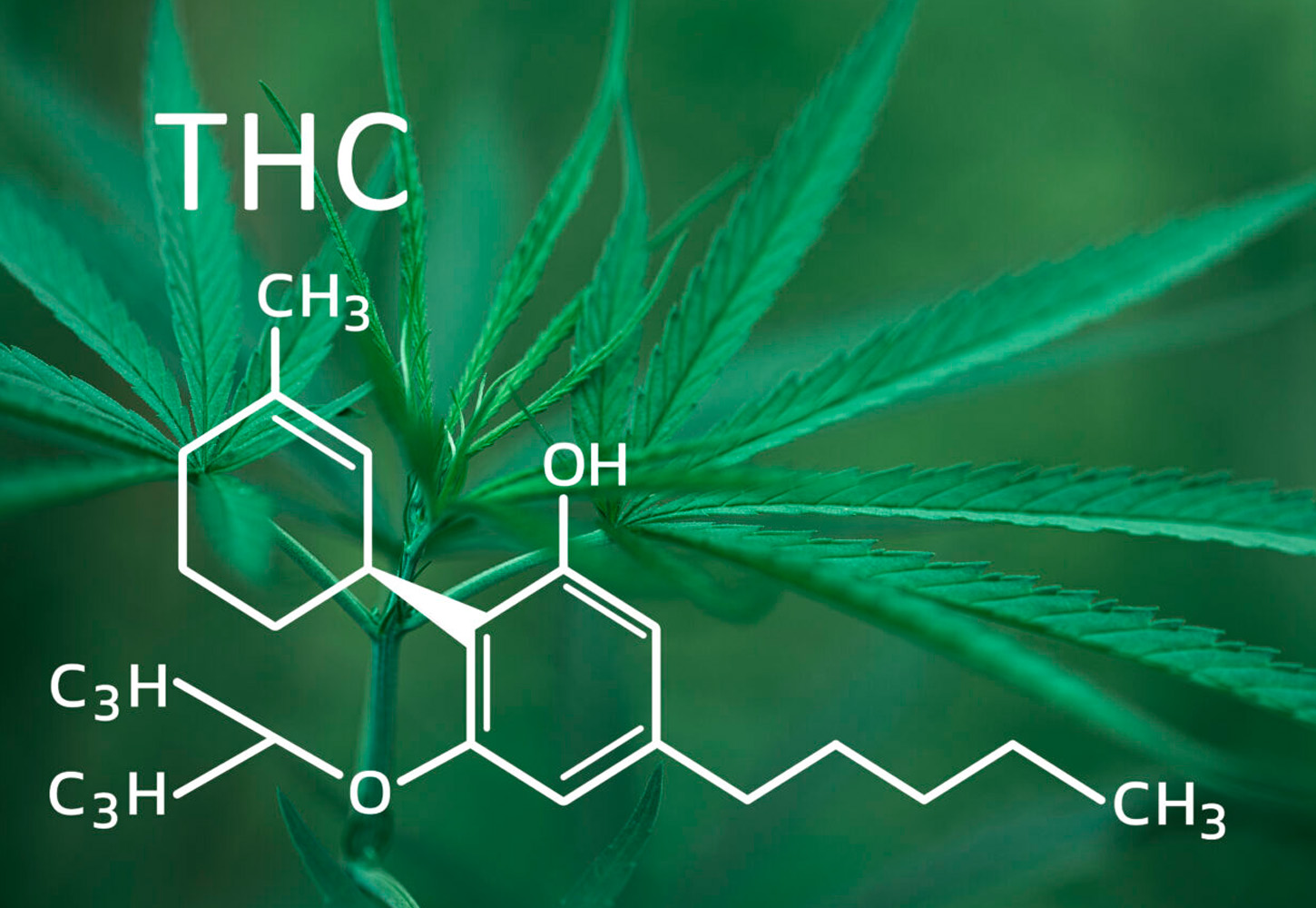
Marijuana has changed considerably over the past several decades. One of the key differences is the amount of THC – the chemical primarily responsible for marijuana’s mind-altering effects. Potency refers to the amount of THC (tetrahydrocannabinol) in a cannabis product.
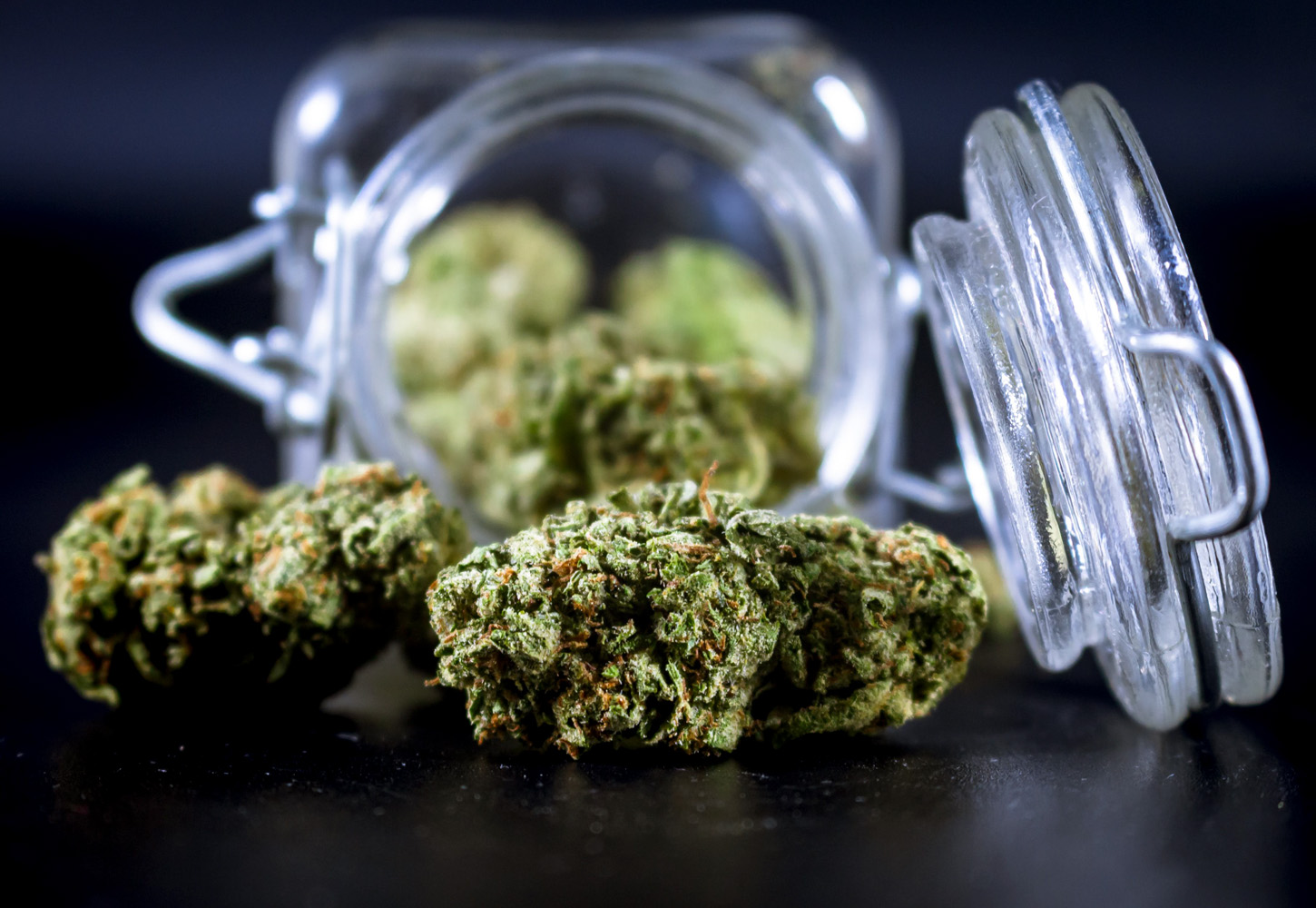
Studies found that average THC levels in confiscated marijuana plant material increased from about 1% in 1977 to approximately 16% in 2022. More recent studies of products sold in dispensaries have measured average THC levels around 20% or higher in marijuana flowers.
But the marijuana flower is only part of the picture.
Today, concentrated products, such as vape oils, waxes, and dabs, can contain 70% to 90% THC. The CDC notes that dispensary products can contain substantially more THC than traditional cannabis, with concentrates used for vaping or dabbing delivering particularly high amounts.
Additionally, the U.S. Food and Drug Administration does not regulate cannabis, which means that quality, accurate labeling, and consistency are not legally assured. This is also true for other cannabidiol (CBD) products. Johns Hopkins Medicine researchers tested CBD products available online and at retail stores and found that they often contained concentrations of cannabinoids that were misrepresented on the labels. Notably, even some products labeled as “CBD-only” contained THC.
Why Does Higher THC Matter During Pregnancy?
This increase in potency is especially notable when considering marijuana use during pregnancy. THC can cross the placenta and reach the developing fetus, as shown by THC found in umbilical cord tissue. Yet much of the earlier research on marijuana and pregnancy was conducted when cannabis contained significantly less THC than many products available today. The higher the THC concentration, the stronger its effects can be.
Cannabis use during pregnancy has been associated with harmful outcomes including lower birth weight, preterm birth, and effects on a child’s brain development, behavior, learning, and attention.
And there is currently no amount, form, or timing of marijuana use that has been proven safe during pregnancy. Smoking, vaping, dabbing, eating, or drinking cannabis products does not eliminate the potential exposure to THC for your baby.
If You’ve Already Used Marijuana, Making a Change Today Is Worth It
Learning this information after already using marijuana during pregnancy can be upsetting. The goal is not to create fear or judgment – it is to help decide what comes next.
Some pregnant individuals use cannabis to deal with symptoms such as anxiety, depression, trouble sleeping, pain, nausea, or stress, or as an alternative to other substances they view as more harmful. Talking with a healthcare provider can help patients find safer ways to manage symptoms.
Today’s marijuana is stronger. Stopping or reducing cannabis use at any point in pregnancy reduces continued exposure and can improve health outcomes for mother and baby.
References
Bonn-Miller, M. O., Loflin, M. J. E., Thomas, B. F., Marcu, J. P., Hyke, T., & Vandrey, R. (2017). Labeling accuracy of cannabidiol extracts sold online. JAMA, 318(17), 1708–1709. https://doi.org/10.1001/jama.2017.11909
ElSohly, M. A., Majumdar, C. G., Chandra, S., & Radwan, M. M. (2024). A 10-year trend in cannabis potency (2013–2022) in different geographical regions of the United States of America. Frontiers in Public Health, 12. https://doi.org/10.3389/fpubh.2024.1442522
Freeman, T. P., Craft, S., Wilson, J., Stylianou, S., ElSohly, M., Di Forti, M., & Lynskey, M. T. (2020). Changes in delta‐9‐tetrahydrocannabinol (THC) and cannabidiol (cBd) concentrations in cannabis over time: Systematic review and meta‐analysis. Addiction, 116(5), 1000–1010. https://doi.org/10.1111/add.15253
Johns Hopkins Medicine. (2022, July 20). Study shows widespread mislabeling of CBD content occurs for over-the-counter products. Www.Hopkinsmedicine.Org. https://www.hopkinsmedicine.org/news/newsroom/news-releases/2022/07/study-shows-widespread-mislabeling-of-cbd-content-occurs-for-over-the-counter-products
Li, T., Wang, G. S., Bero, L., Brooks-Russell, A., Tung, G., & Samet, J. M. (2024). Enhancing methodological approaches for studying health effects of high-concentration THC products. American Journal of Public Health, 114(S8), S639–S644. PubMed Central. https://doi.org/10.2105/AJPH.2024.307724
Lo, J. O., Ayers, C. K., Yeddala, S., Shaw, B., Robalino, S., Ward, R., & Devan, K. (2025). Prenatal cannabis use and neonatal outcomes: A systematic review and meta-analysis. JAMA Pediatr, 179(7), 738–746. https://doi.org/10.1001/jamapediatrics.2025.0689
Spindle, T. R., Sholler, D. J., Cone, E. J., Murphy, T. P., ElSohly, M., Winecker, R. E., Flegel, R. R., Bonn-Miller, M. O., & Vandrey, R. (2022). Cannabinoid content and label accuracy of hemp-derived topical products available online and at national retail stores. JAMA Network Open, 5(7), e2223019. https://doi.org/10.1001/jamanetworkopen.2022.23019
The American College of Obstetricians and Gynecologists. (2025). Cannabis use during pregnancy and lactation. ACOG Clinical Consensus (10). https://doi.org/10.1007/s13311-
Tu, L. (2025). The changing marijuana landscape: What you need to know. Monitor on Psychology, 56(4). https://www.apa.org/monitor/2025/06/marijuana-potency-policy-risk